Rise of the Coromandel Coast
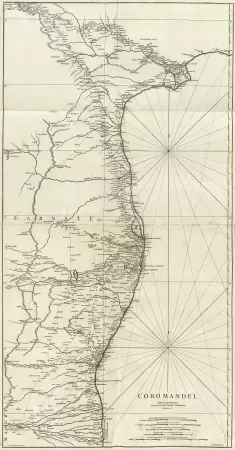
The Coromandel Coast emerged as a vibrant hub of agrarian and textile production from the 14th century, its growth fuelled by the region’s geographical and ecological advantages. Fertile wetlands like the Kaveri Delta, with their alluvial soils and abundant water resources, became the heart of intensive rice cultivation, supporting surplus production that sustained large settlements. Surrounding dry zones contributed complementary crops, creating a dynamic integration of agricultural landscapes. This balance between wet and dry regions fostered not only agrarian prosperity but also the rise of thriving weaving and artisanal centers.
Beyond agriculture, rulers and their regional administrators actively facilitated trade, ensuring that raw materials and finished goods from the interior reached bustling trade hubs along the coast. This was achieved through a combination of socio-political factors, strategic policies, and robust infrastructure. Together, these elements positioned the Coromandel Coast as a crucial player in both regional and international markets, laying the foundation for its golden age of textile production.
French Map of the Coromandel coast,1753.
Coromandel’s Textile Brilliance
The Coromandel Coast stood unmatched in textile innovation, setting itself apart from regions that primarily relied on weaving or embroidery for surface design. Here, artisans mastered intricate techniques such as resist dyeing, block printing, and hand painting, crafting textiles that were not only visually stunning but also exceptionally colourfast. The region’s access to premium dyestuffs—such as Chayroot, Indigo, Madder, and Aal—enabled the creation of vibrant patterns that retained their brilliance even after repeated use, a testament to the enduring quality of their craftsmanship.
The Decline of Coromandel
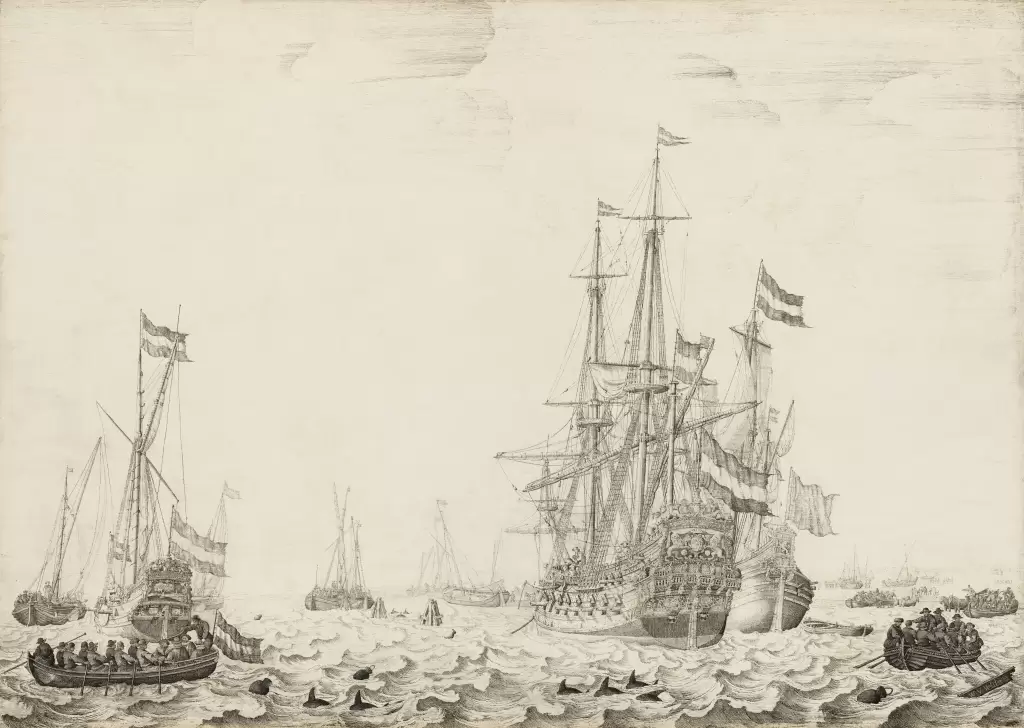
Despite its brilliance, the Coromandel Coast’s prominence began to fade by the mid-18th century. A combination of natural, political, and economic challenges eroded the region’s foundations. Mughal territorial ambitions disrupted trade networks and strained the region’s resources. Simultaneously, natural calamities, including devastating cyclones and droughts, undermined agricultural output, destabilising the economy.
The decline of major trade centers like Machilipatnam and Pulicat further weakened the region’s global connections. These ports, once bustling with activity, lost their prominence due to shifting trade routes and growing competition from European-controlled ports. The fall of the Vijayanagara Empire, a key patron of Coromandel’s trade and art, left a vacuum of power, exposing the region to invasions and internal strife. Conflicts involving the Arcot Nawabs, Hyder Ali, Marathas, and other political powers exacerbated the instability, disrupting artisanal production and displacing skilled workers.
As the political and economic environment deteriorated, the Coromandel Coast shifted its focus from high-value artistic textiles to high volume trade goods. While these functional textiles continued to be traded, they lacked the intricate designs and vibrant patterns that had once defined the region’s global reputation. By the end of the 18th century, the golden age of Coromandel’s textile brilliance had dimmed, leaving behind a legacy of innovation and artistry that still inspires admiration today.